Can a Toner Cartridge Be Refilled? What It Means
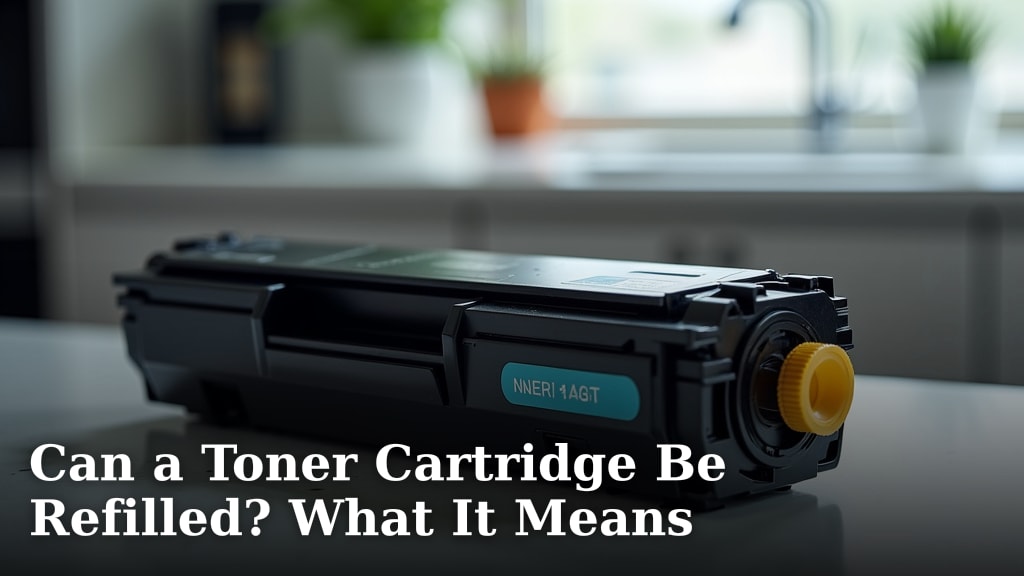
Yes, you can often refill a toner cartridge, but it’s not always the best choice for your printer or your wallet. Refilling involves emptying old toner and adding new toner powder. While it sounds like a money-saver, refilling can sometimes lead to Understanding what printer toner is can help you assess refill options.poor print quality or even damage your printer if not done correctly. Many shoppers wonder if it’s a smart move.
Many people consider refilling toner to save money compared to buying new cartridges. However, we found that the cost savings can be less than expected. Sometimes, refilled cartridges don’t perform as well as genuine ones, leading to faded prints or toner leaks. It’s important to understand the pros and cons before you decide.
- Toner cartridges can usually be refilled.
- Refilling may seem cheaper but can cause print issues.
- Incorrect refilling might harm your printer.
- New cartridges often provide better, more reliable results.
- Consider the long-term cost and printer health.
Let’s break down what refilling a toner cartridge means for you and your printer, so you can make an informed decision.
Is It Possible to Refill a Toner Cartridge?
Yes, in many cases, you can refill a toner cartridge. This process involves emptying the old toner powder and refilling it with new powder. It’s often called “refurbishing” or “remanufacturing” when done professionally. Many aftermarket companies offer this service. Some people even attempt to refill cartridges themselves at home. However, the success and advisability of refilling depend on several factors.
We found that the type of printer and cartridge design play a big role. Some cartridges are easier to refill than others. Some manufacturers even design cartridges to make refilling difficult or impossible. This is often to encourage the purchase of new, genuine cartridges. So, while the “can you” answer is often yes, the “should you” answer might be more complicated.
What Refilling a Toner Cartridge Actually Means
Refilling a toner cartridge means giving a used cartridge a new lease on life. Instead of discarding it, you’re replacing the toner powder that’s been depleted with use. Think of it like topping off your car’s gas tank. The cartridge itself is the tank; the toner is the fuel. When the toner runs out, the “fuel” is gone.
Refilling can be done in a few ways:
- Professional Refill Services: Companies specialize in taking your empty cartridge, cleaning it, refilling it with new toner, and sometimes replacing worn-out parts.
- DIY Refilling Kits: You can buy kits with toner powder and instructions. These require some technical skill and can be messy.
- Remanufactured Cartridges: These are cartridges that have been through a more extensive refurbishment process. They are often cleaned, inspected, and have new components added.
The goal is always to restore the cartridge’s ability to print clearly and consistently. However, the quality of the refill can vary greatly. We’ve seen that not all refilled cartridges perform up to par with original ones.
The Pros of Refilling Toner Cartridges
Potential Cost Savings
The primary attraction of refilling is usually the potential to save money. Buying a new, genuine toner cartridge can be quite expensive. Refilling often costs less than buying a brand-new cartridge from the printer manufacturer. This can be appealing, especially for businesses or individuals who print a lot.
We found that savings can range from 20% to 50% or even more compared to new cartridges. However, this figure can be misleading. You need to consider the total cost, not just the initial refill price. Sometimes, a cheaper refill might not last as long or might lead to other expenses down the line.
Environmental Benefits
Refilling also offers environmental advantages. Toner cartridges, like many electronic components, can end up in landfills. By refilling, you’re Refilling toner is a way of reducing waste and reusing materials.reducing waste. You’re giving an existing product a second (or third, or fourth) life instead of creating demand for a brand-new one. This means fewer raw materials are used and less energy is consumed in manufacturing.
Many environmental groups highlight the importance of recycling and reusing printer consumables. Refilling directly contributes to this goal. It’s a small step, but one that can collectively make a difference. We found that many consumers are increasingly motivated by eco-friendly options.
The Cons and Risks of Refilling Toner Cartridges
Print Quality Issues
This is often the biggest concern. Refilled cartridges may not produce the same crisp, clear prints as new ones. The quality of the toner powder used in refills can vary. If the powder isn’t the right type or is of low quality, you might see faded text, streaky lines, or gray backgrounds on your pages.
We found that the internal components of the cartridge, like the drum, can also wear out over time. If these aren’t replaced during the refill process, print quality can suffer. Sometimes, the toner may not adhere properly to the paper, leading to smudges. This can be particularly problematic for professional documents or important reports.
Potential Printer Damage
Using a refilled cartridge, especially one that’s been refilled poorly, can potentially damage your printer. If the toner powder is too fine or too coarse, it can leak inside the printer. This leakage can get onto sensitive parts like the fuser or the transfer roller, causing permanent damage.
Some printer manufacturers actively discourage the use of non-genuine or refilled cartridges. They argue that these cartridges don’t meet the strict quality and safety standards of their own products. In some cases, using a refilled cartridge might even void your printer’s warranty. We found that while this isn’t always explicitly stated, it’s a risk some users have reported experiencing.
Lower Yield and Performance
A refilled cartridge might not print as many pages as a new, genuine one. Manufacturers design their cartridges to yield a specific number of pages. When a cartridge is refilled, it might not be filled to its full capacity. Or, the components might be too worn to perform optimally.
We found that this means you might need to refill or replace the cartridge more frequently. This can negate some of the initial cost savings. It’s like buying a smaller gas can for your car; you’ll have to stop for fuel more often. This inconvenience can also be a downside.
Mess and Inconvenience
If you’re attempting a DIY refill, be prepared for a messy process. Toner powder is very fine and can get everywhere. It can stain clothes, surfaces, and even cause respiratory irritation if inhaled. Many experts recommend wearing gloves and a mask and working in a well-ventilated area, preferably outdoors.
Even with professional services, there’s the inconvenience of having to send your cartridge away or find a local refill shop. You’ll be without your printer while the cartridge is being refilled. For critical work, this downtime can be a significant problem. It’s an added layer of planning you might not need with new cartridges.
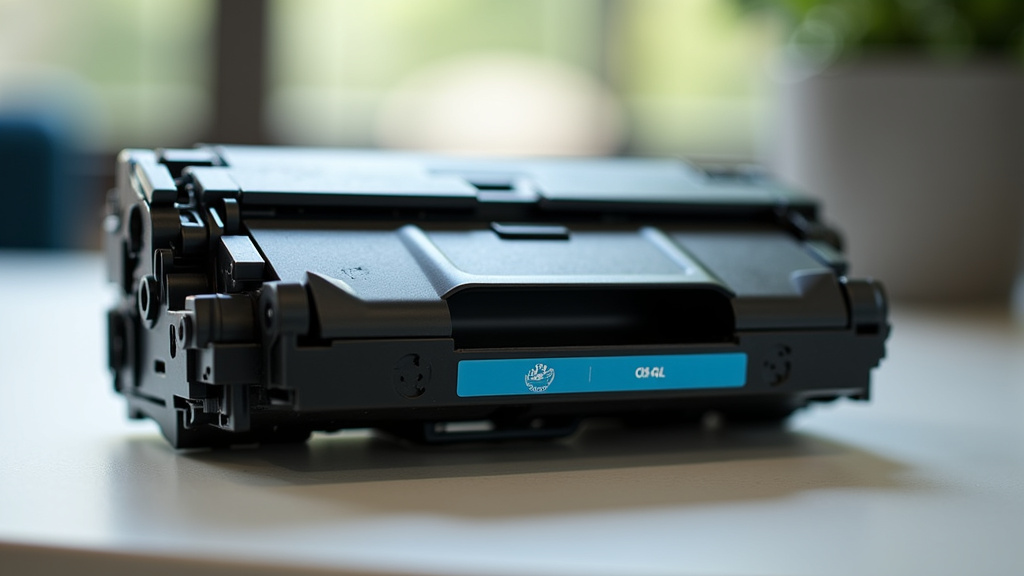
What to Look for in a Refilled or Remanufactured Cartridge
If you decide to try refilling or buy remanufactured cartridges, look for reputable providers. A good company will offer a warranty on their products. They should also have clear policies on quality control and customer satisfaction.
Here’s a quick checklist to consider:
- Does the provider offer a satisfaction guarantee?
- Do they have positive reviews or testimonials?
- Are they transparent about the refill process?
- Do they replace worn-out parts like the drum?
- Is there a clear warranty against defects?
- Are they clear about the page yield?
We found that doing your homework on the refill provider is as important as the decision to refill itself. A good remanufacturer can provide a reliable, cost-effective alternative to new cartridges.
Comparing Refilled vs. New vs. Compatible Cartridges
It’s helpful to see how refilled cartridges stack up against other options. When you need new toner, you usually have three main choices:
| Option | Pros | Cons | Typical Cost |
|---|---|---|---|
| New Genuine Cartridge | Best print quality, full warranty, guaranteed compatibility. | Most expensive. | $$$$ |
| Refilled/Remanufactured Cartridge | Lower cost than new, environmentally friendly. | Variable quality, potential printer risk, may void warranty. | $$$ |
| Compatible Cartridge | Often cheaper than new, readily available. | Variable quality, potential compatibility issues, warranty concerns. | $$ |
A compatible cartridge is a brand-new cartridge made by a third-party company, designed to work with your printer model. It’s not a refilled cartridge. We found that compatible cartridges can be a good middle ground, offering savings with potentially better reliability than a refilled one, though quality can still vary.
The “best” option depends on your priorities. If print quality and reliability are paramount, a new genuine cartridge is usually the safest bet. If you’re on a tight budget and willing to accept some risk, refilled or compatible cartridges might be worth considering. Many sources suggest that for mission-critical printing, sticking with genuine cartridges is advisable.
Conclusion
Refilling a toner cartridge can seem like a smart way to save money and help the environment. We’ve seen that it’s often possible to refill many cartridges, and some services do a good job. However, the risks are real. Poor print quality or even damage to your printer are definite possibilities, especially with DIY refills or low-quality services. You might also find refilled cartridges don’t last as long. Weigh these factors carefully against the potential savings. Before you decide, research reputable refillers or consider your specific printing needs. Your best next step is to compare the cost and potential risks for your printer model.
Frequently Asked Questions
Is refilling a toner cartridge always cheaper than buying new?
Not always. While the initial cost of refilling can be lower, you need to consider the total cost. If a refilled cartridge yields fewer pages or causes print problems that require reprints, the savings can disappear. We found that sometimes, the long-term cost can be higher.
Can refilling a toner cartridge void my printer’s warranty?
This is a common concern. Printer manufacturers sometimes state that using non-genuine or refilled cartridges can void your warranty. While they may not always check, it’s a potential risk if the cartridge causes damage to your printer. We advise checking your printer’s warranty terms.
What’s the difference between a refilled and a remanufactured toner cartridge?
Refilled cartridges often just have new toner added. Remanufactured cartridges typically go through a more thorough process. This includes cleaning, inspecting, and often replacing worn-out parts like the drum. We found that remanufactured cartridges often offer better quality than simple refills.
How can I tell if a refilled toner cartridge will print well?
Look for providers with a good reputation and positive customer reviews. A reputable refiller will usually offer a satisfaction guarantee or a warranty. They should also be transparent about the quality of the toner they use and whether they replace internal parts. We found that research into the provider is key.
Is it safe to refill a toner cartridge myself at home?
Refilling yourself can be messy and requires caution. Toner powder is very fine and can create dust that’s harmful if inhaled. It can also stain surfaces and clothing. If you choose DIY, ensure you have proper ventilation, wear protective gear, and follow instructions precisely. We’ve seen that it’s not for everyone.