Can Toner Cartridges Be Recycled? What It Means
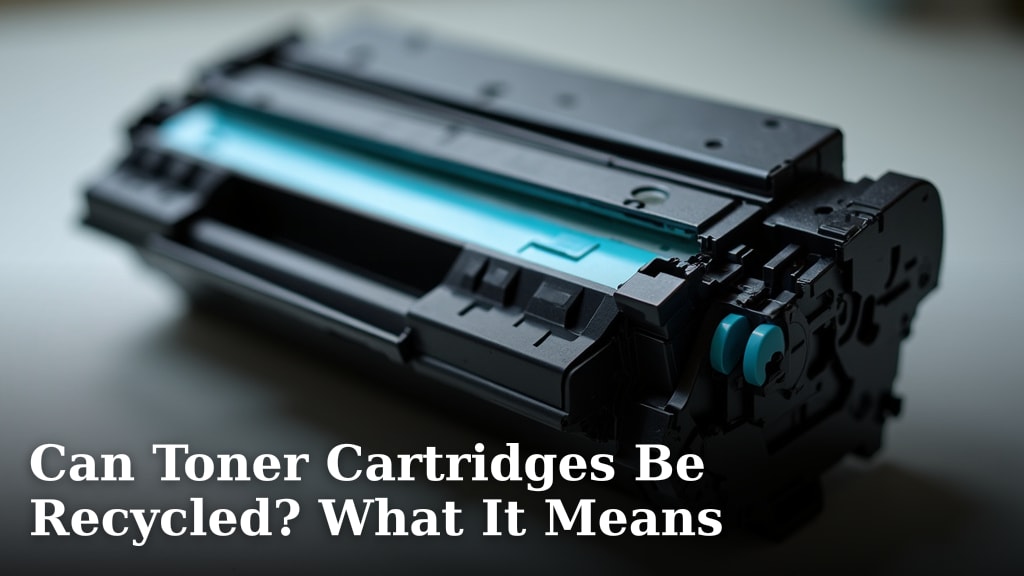
Yes, toner cartridges can be recycled, and it’s a fantastic way to reduce waste. Many manufacturers and third-party companies offer recycling programs for these used cartridges. This process keeps potentially harmful materials out of landfills and allows valuable components to be reused.
When you recycle your toner, you’re doing more than just decluttering your office. You’re contributing to a circular economy. This means less demand for new raw materials and a smaller environmental footprint. It’s a simple action with a big impact for our planet.
- Toner cartridges are recyclable.
- Recycling prevents waste and conserves resources.
- Look for manufacturer or third-party programs.
- It supports a healthier environment.
- Many options are available to you.
Let’s break down exactly how you can get your old toner cartridges recycled and what it means for you and the environment.
Understanding Toner Cartridge Recycling
So, can toner cartridges be recycled? Yes, absolutely. It’s a process that benefits everyone. You might be wondering what happens to these cartridges when you recycle them. We’ll break down the journey and what it means for your office and the planet.
Recycling toner cartridges is more than just tossing them in a special bin. It’s a vital part of a circular economy. This means we aim to reuse materials as much as possible. It reduces the need to create new ones from scratch.
Why Is Toner Cartridge Recycling Important?
You might think one cartridge doesn’t make a big difference. But collectively, it adds up. Toner cartridges contain plastics and small amounts of other materials. These can end up in landfills if not recycled.
Landfills are already a big concern. Adding more waste strains our environment. Recycling toner helps reduce this burden. It’s a responsible choice for businesses and individuals.
Environmental Benefits of Recycling
Recycling toner cartridges conserves natural resources. Plastics are made from oil. Mining and processing these materials can harm ecosystems. When we recycle, we lessen the demand for these virgin resources.
It also reduces energy consumption. Manufacturing new products from recycled materials often uses less energy. This means fewer greenhouse gas emissions. It’s a win-win for conservation.
What’s Inside a Toner Cartridge?
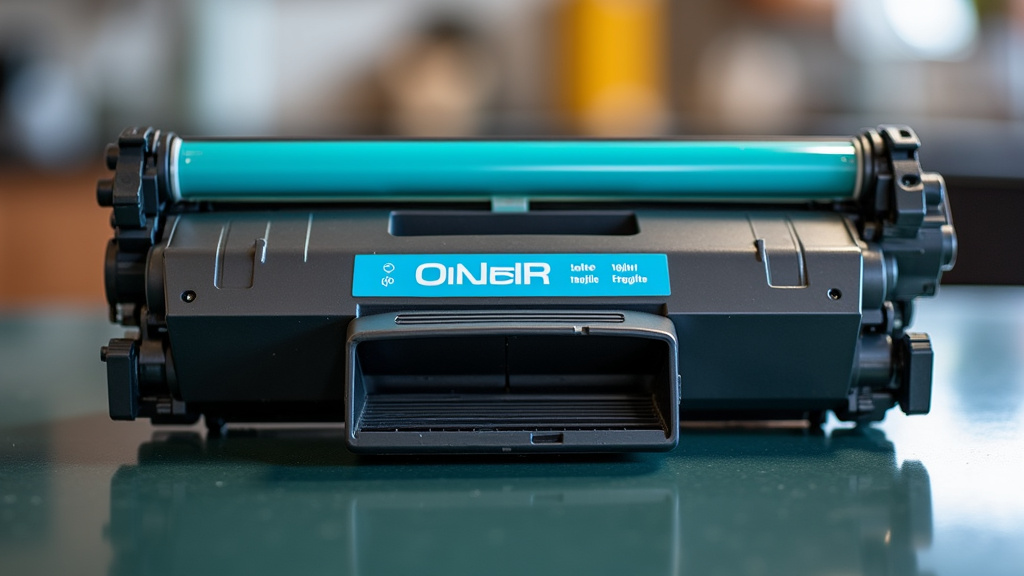
Toner cartridges are complex little devices. They contain toner powder, which is fine plastic particles. They also have drums, rollers, and plastic casings. Some older cartridges might contain small amounts of metals.
The toner powder itself is generally considered non-toxic in small amounts. However, larger quantities in a landfill aren’t ideal. Recycling ensures these components are handled properly. Many experts agree that responsible disposal is key (Environmental Protection Agency).
How to Recycle Your Toner Cartridges
Knowing that you can recycle toner is the first step. The next is figuring out how. Fortunately, there are several easy options available to you.
Manufacturer Take-Back Programs
Many printer manufacturers want you to recycle their cartridges. They often have their own recycling programs. These are usually free for consumers.
You can typically find information on the manufacturer’s website. They might offer pre-paid shipping labels. Sometimes, you can drop off cartridges at authorized locations. It’s worth checking with your printer’s brand.
Common Manufacturer Programs
We found that brands like HP, Canon, and Brother have established programs. These often involve mail-back options. You collect used cartridges and send them back. They then handle the recycling process.
These programs are designed to be convenient. They ensure that the materials are processed correctly. It’s a straightforward way to manage your used toner.
Third-Party Recycling Services
Beyond the manufacturers, many independent companies specialize in recycling. These services often work with businesses of all sizes. They can handle large volumes of used cartridges.
Some third-party services offer pickup options. Others provide collection bins for your office. You might even get credit or a small rebate for your recycled cartridges. This can help offset future purchases.
What to Look for in a Third-Party Recycler
When choosing a third-party service, do a little research. Look for companies that are transparent about their process. Ensure they have certifications for responsible recycling. A good recycler will detail where the materials go.
We found that many companies partner with specialized recycling facilities. These facilities break down the cartridges. They sort plastics, metals, and other components. The goal is maximum reuse.
Retailer Drop-Off Programs
Some office supply stores and electronics retailers also offer recycling. You can often bring your used toner cartridges to these locations. They might have designated drop-off bins.
This is a convenient option if you’re already shopping. It requires minimal effort on your part. Just remember to check with the specific store about their policies.
The Recycling Process: What Happens Next?
Once your toner cartridge is collected, it enters a recycling stream. The process varies by recycler, but the general steps are similar. It’s a journey from waste to new resources.
Collection and Sorting
First, collected cartridges are brought to a processing facility. Here, they are sorted. Different brands and models might be separated. This makes the breakdown process more efficient.
Dismantling and Separation
Skilled technicians or automated systems then dismantle the cartridges. They carefully separate the various components. This includes the plastic housing, the drum unit, and any metal parts.
The toner powder is also collected. Special procedures are often used to handle the fine powder safely. It’s typically disposed of in an environmentally sound manner or, in some cases, repurposed.
Material Recovery and Reuse
The separated plastics are then cleaned and shredded. They can be melted down and reformed into new plastic products. This might include new office supplies or even parts for other electronic devices.
Metal components are sent for smelting and recycling. This conserves precious metals and reduces mining impacts. The goal is to recover as much usable material as possible.
What About Refurbishing?
Some cartridges aren’t just recycled; they are refurbished. This is different from basic recycling. Refurbishing means a used cartridge is cleaned, inspected, and refilled with toner. Worn parts are replaced.
Refurbished cartridges can be sold at a lower price. They offer a good alternative to new ones. This extends the life cycle of the cartridge significantly.
Making the Choice to Recycle: Your Checklist
Deciding to recycle your toner is a positive step. To make it easy, here’s a quick checklist for you:
- Identify your printer brand and check their official recycling program.
- Look for local drop-off points at retailers or community centers.
- Consider using a third-party recycling service if you have many cartridges.
- Ask your office manager about a company-wide recycling initiative.
- Store used cartridges in a safe place until you can recycle them.
- Educate your colleagues or family about the importance of recycling.
Every cartridge you recycle contributes to a larger effort. It’s about being mindful of our consumption. It’s about choosing a path that’s kinder to the planet.
Conclusion
You’ve learned that toner cartridges absolutely can be recycled. It’s a straightforward process with a big positive impact. By choosing to recycle, you help keep waste out of landfills and conserve precious natural resources. You’re actively supporting a circular economy where materials get a second life.
Whether you use manufacturer programs, third-party services, or retailer drop-offs, there’s a convenient option for you. Take that step today. Find a recycling method that works for your office and make recycling your used toner cartridges a regular habit. Your small action contributes to a healthier planet for everyone.
Frequently Asked Questions
Is it safe to store used toner cartridges before recycling?
Yes, it’s generally safe to store used toner cartridges. Just keep them in their original packaging or a sealed plastic bag to prevent any residual toner powder from spilling. Store them in a dry, cool place away from direct sunlight.
Can I put toner cartridges in my regular recycling bin?
No, toner cartridges should not go into your regular curbside recycling bin. They contain complex parts and fine powder that require special handling. Always use dedicated recycling programs designed for these items.
What if my printer manufacturer doesn’t offer a recycling program?
If your printer brand doesn’t have a take-back program, look for reputable third-party recycling services. Many companies specialize in collecting and processing used electronics and office supplies, including toner cartridges.
Are refurbished toner cartridges a good alternative to recycling?
Refurbished cartridges are an excellent way to extend the life of a toner cartridge. They are cleaned, refilled, and tested, offering a more sustainable option than simply discarding them. They also often come at a lower cost.
What happens to the toner powder itself when cartridges are recycled?
The fine toner powder is typically handled with special procedures during recycling. While small amounts are considered non-toxic, large quantities in landfills are not ideal. Reputable recyclers either dispose of it safely or, in some cases, find ways to repurpose it.