Can You Refill a Toner Cartridge Yourself?
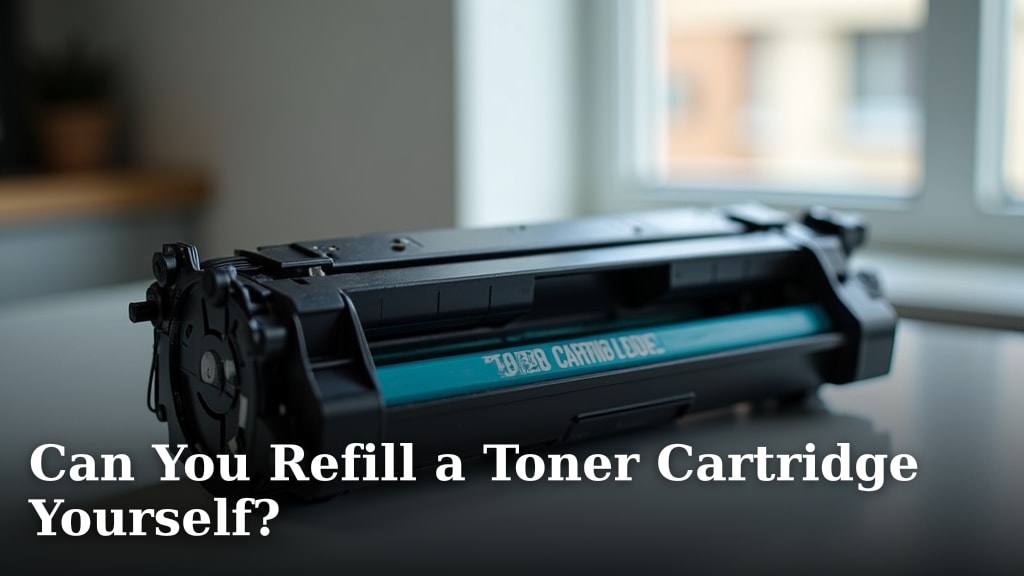
Yes, you can often refill a toner cartridge yourself, but it’s not always the best choice for everyone. While it seems like a money-saving trick, refilling toner can sometimes lead to lower print quality or even damage your printer. We found that understanding the risks is key.
Many people look into refilling toner to cut costs on printing. However, refilled cartridges might not perform as well as brand new ones. We researched this, and it’s important to know that printer manufacturers often design their printers to work best with their own cartridges. Refilling can void warranties.
- Refilling toner is possible, but comes with risks.
- Print quality may suffer with refilled cartridges.
- Potential for printer damage exists.
- Manufacturer warranties might be voided.
- Consider the total cost and quality implications.
Let’s walk through what refilling a toner cartridge involves and whether it’s the right move for your printing needs.
Can You Really Save Money Refilling Toner Cartridges?
It’s a question many of us ask when that “low toner” message pops up: can you just refill the cartridge yourself? If you’re looking to save money, learn how to make toner last longer with our helpful guide.
The short answer is often yes, you can. But is it a smart move? We’ve researched this, and the reality is a bit more complicated than just saving a few bucks.
The Process of Refilling Toner: What’s Involved?
Refilling a toner cartridge isn’t like refilling a pen. It requires specific tools and the right kind of toner powder. Many people who refill their own cartridges purchase a toner refill kit online.
These kits typically come with a bottle of toner powder and sometimes small tools. The general idea is to open the existing cartridge, dump out any old toner (or what’s left of it), and then pour in the new powder.
What You’ll Need for a Toner Refill
Gathering the right supplies is the first step. You can’t just use any old powder. Toner is a very fine powder made of plastic, carbon, and iron particles. It’s designed to fuse to paper under heat and pressure.
- Toner Refill Kit: Make sure it’s specifically designed for your printer model.
- Protective Gear: Toner is messy. You’ll want gloves and a mask.
- Tools: You might need a small screwdriver or a special plug cutter.
- Workspace: Cover your area with newspaper or a drop cloth.
Steps for a Typical Toner Refill
While the exact steps vary by cartridge, here’s a general overview of what’s involved. We found that most guides emphasize being extremely careful.
- Locate the Fill Hole: Some cartridges have a small plug. Others might require you to drill or cut a hole.
- Empty Old Toner: If there’s residual toner, it’s best to remove it to prevent mixing.
- Fill with New Toner: Carefully pour the new toner powder into the cartridge. Don’t overfill it.
- Replace Plug/Seal Hole: Securely close the cartridge.
- Reset Chip (if applicable): Some cartridges have a chip that needs to be reset or replaced so the printer recognizes it.
Potential Problems and Risks of DIY Toner Refills
While refilling seems like a cost-effective solution, we found that there are several significant risks involved. These can impact your printer and your print quality.
Print Quality Concerns
This is often the most noticeable issue. The toner powder used in refill kits might not be the exact same formulation as the original manufacturer’s toner. This can lead to:
- Faded Prints: Your text and images might appear lighter than usual.
- Streaky Lines: Inconsistent toner distribution can cause lines or smudges.
- Poor Color Accuracy: For color printers, refilled cartridges can result in off-colors.
- Ghosting: Images or text might reappear faintly on subsequent pages.
We found that many users report a noticeable drop in print quality after refilling. This can be frustrating, especially if you need sharp, professional-looking documents.
Damage to Your Printer
Toner powder is incredibly fine. If it’s not handled properly during refilling, it can spill inside the printer. This fine powder can get into sensitive components like gears, rollers, and electronics.
A spill can cause jams, printing errors, or even permanent damage. We discovered that some toner particles are conductive, which can short-circuit electronic parts. Repairing printer damage can be far more expensive than buying a new cartridge.
Voiding Your Printer Warranty
This is a big one that many people overlook. Printer manufacturers often state in their warranty terms that using non-original or refilled consumables can void the warranty.
If your printer experiences a problem after you’ve refilled a cartridge, the manufacturer may refuse to cover the repair costs. We found that this is a common reason why many experts advise against DIY refills, especially for newer or more expensive printers.
Mess and Safety Hazards
Toner is a fine powder that gets everywhere. It’s hard to clean up. Imagine glitter mixed with dust – that’s kind of what toner is like, but it can also be a respiratory irritant.
Breathing in toner dust is not ideal. While the risks are generally low for occasional exposure, it’s still a fine particulate. Wearing a mask and gloves is highly recommended, as we saw in many DIY guides.
Refilled vs. Remanufactured Cartridges: What’s the Difference?
It’s easy to confuse refilled and remanufactured cartridges. While both involve reusing a cartridge, the process and quality can differ significantly.
Refilled Cartridges
This is what we’ve been discussing – simply pouring new toner into an empty cartridge. The internal parts are often original and may be worn.
Remanufactured Cartridges
These cartridges go through a more rigorous process. We found that remanufacturing involves:
- Disassembling the original cartridge.
- Cleaning all components thoroughly.
- Replacing worn parts (like drums or rollers).
- Refilling with high-quality toner.
- Testing the cartridge to ensure it works properly.
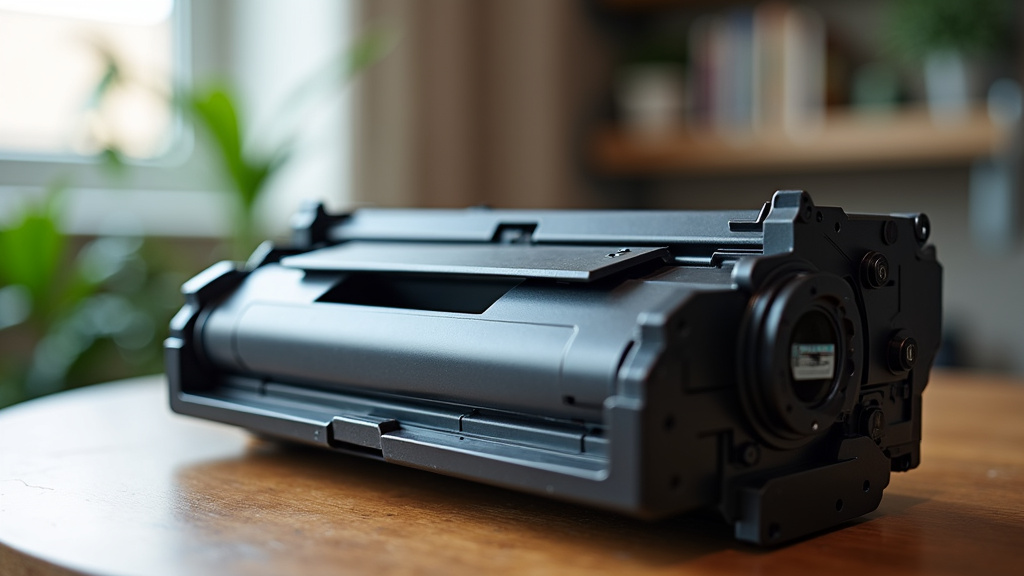
Remanufactured cartridges are generally more reliable and offer better print quality than simple refilled ones, though they usually cost more. They are a third-party alternative to new, original cartridges.
When Might Refilling Make Sense?
Given the risks, when might refilling your toner cartridge be a viable option? We found that it often comes down to your printer’s age, value, and your tolerance for risk.
Older or Less Expensive Printers
If you have an older printer that’s not worth much, the potential cost savings of refilling might outweigh the risks. If something goes wrong, you might not feel as much financial pain.
Low-Volume, Non-Critical Printing
Are you printing draft documents, internal memos, or practice sheets? If the absolute highest print quality isn’t essential, a refilled cartridge might suffice. For important presentations or client-facing documents, it’s usually best to stick with new or high-quality remanufactured options.
Your Willingness to Accept Risk
Are you comfortable with the possibility of lower print quality or even damaging your printer? If the answer is yes, and you’re prepared for those outcomes, then refilling might be something you consider.
A Quick Checklist: Is DIY Toner Refill Right for You?
Before you grab that toner kit, ask yourself these questions:
- Is my printer old and inexpensive?
- Do I need top-notch print quality for these documents?
- Am I prepared for potential printer damage or warranty issues?
- Do I have a clean, well-ventilated space to work?
- Am I comfortable dealing with fine, messy powder?
- Is the cost saving significant enough to justify the risks?
Considering the True Cost of Refilling
It’s easy to look at the price of a toner refill kit versus a new cartridge and think you’re saving a lot. However, we found that you need to consider the total picture.
Factor in the cost of the refill kit, any tools you need, and the potential cost of printer repairs or a new printer if something goes wrong. Then, consider the potential for lower quality prints, which might mean reprinting pages.
When you weigh all these factors, the savings might not be as substantial as they first appear. For many users, buying genuine or reputable remanufactured cartridges provides a better balance of cost, quality, and peace of mind.
Conclusion
So, can you refill a toner cartridge yourself? While it’s technically possible and might seem like a budget-friendly hack, we’ve found that it’s a decision that requires careful consideration. The process involves handling messy powder and carries real risks like reduced print quality, potential printer damage, and even voiding your warranty. For many, the cost savings aren’t worth the potential headaches. Before you try it, weigh the risks against the savings and consider if a higher-quality remanufactured cartridge might offer a better balance for your needs. If you decide refilling isn’t for you, learn about responsible disposal of old toner cartridges.
Frequently Asked Questions
Will refilling my toner cartridge damage my printer?
There’s a risk that refilling can damage your printer. Toner powder is very fine and can spill into sensitive printer parts, causing jams or electronic issues. We’ve seen reports where this leads to costly repairs.
Can I expect the same print quality after refilling?
Often, no. The toner powder in refill kits may differ from the original. This can result in faded prints, streaks, or inaccurate colors. We found that print quality is frequently compromised.
Is refilling toner messy?
Yes, refilling toner is quite messy. The fine powder gets everywhere and can be difficult to clean up. It’s also wise to wear protective gear like gloves and a mask during the process.
Does refilling void my printer’s warranty?
It very well might. Most printer manufacturers state that using non-original or refilled consumables can void your warranty. If your printer has issues after a refill, repairs might not be covered.
Are remanufactured cartridges a better alternative to refilling?
Generally, yes. Remanufactured cartridges are professionally cleaned, have worn parts replaced, and are tested. We found they typically offer better reliability and print quality than simple DIY refills, though they cost more.